
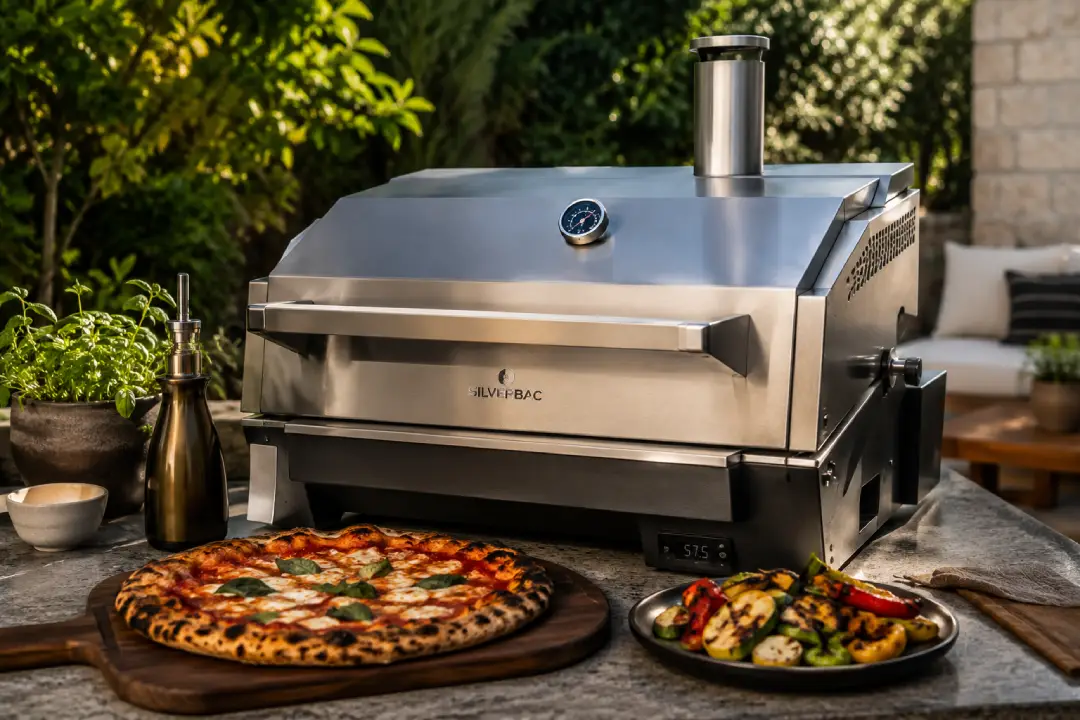
There’s a certain kind of pellet grill buyer who doesn’t want the flashiest touchscreen or the app with forty features. They want a heavy lid that thunks when it closes, temperatures that hold steady through a 12-hour brisket, and a build that’ll still be standing in five years. If that’s you, the Grilla Silverbac 2.0 was designed with your name on the box. The question this review answers isn’t “is it fancy” — it’s “does it do the fundamentals better than everything else near its price.” After digging into the hands-on testing from pitmasters who’ve run it hard, here’s the real story.
First Impressions: This Thing Is Built Like a Tank
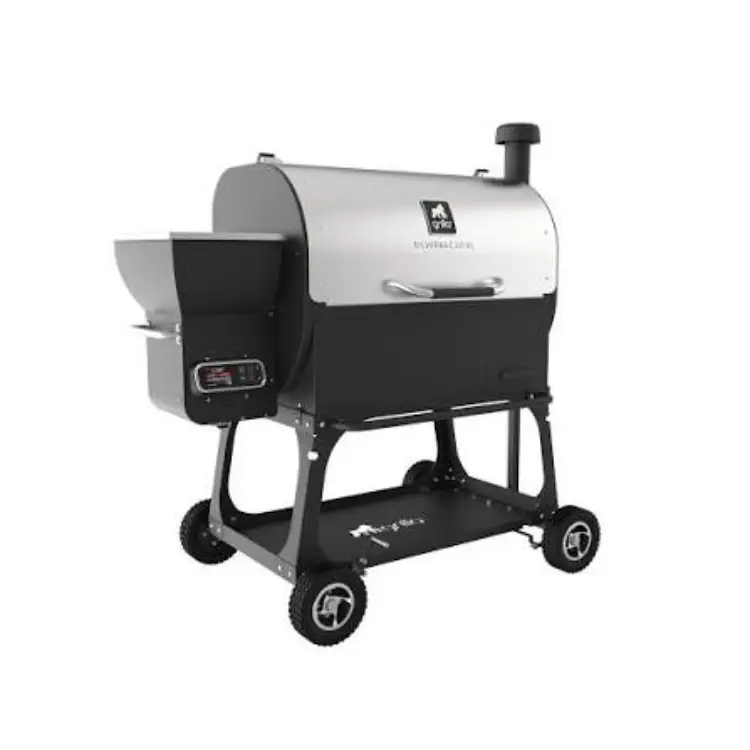
The moment reviewers pull the Silverbac 2.0 out of the packaging, the same word keeps coming up: solid. Nothing feels flimsy. The stainless steel lid is genuinely heavy, the internal components feel substantial, and the whole unit tips the scales far heavier than lookalike grills in the same price bracket — noticeably beefier than a comparable Traeger or Pit Boss.
That weight isn’t just for show. Heavier steel means better heat retention, which means steadier temperatures and less fuel burned fighting the cold. One long-term owner who’s run a Silverbac for nearly five years still calls it unmatched among no-frills pellet grills when you stack up price, features, and warranty side by side.
One practical warning that comes up repeatedly: this grill ships freight on a pallet, and it weighs around 200 pounds. Have a dolly and a second set of hands ready on delivery day. That’s not a knock — it’s the flip side of buying something this sturdy.
The Real Upgrade: Alpha Connect Controller
The headline change in the 2.0 is the Alpha Connect controller, and it’s the reason to care about this version over the original. It gives you two working modes that actually matter:
P mode (Precision): Locks in steady, tight temperatures. This is your overnight brisket and pork butt mode — set it, trust it, sleep.
Pro mode: Introduces more temperature swing on purpose, which drives more smoke onto the meat. This is where you go when flavor matters more than a perfectly flat temp line.
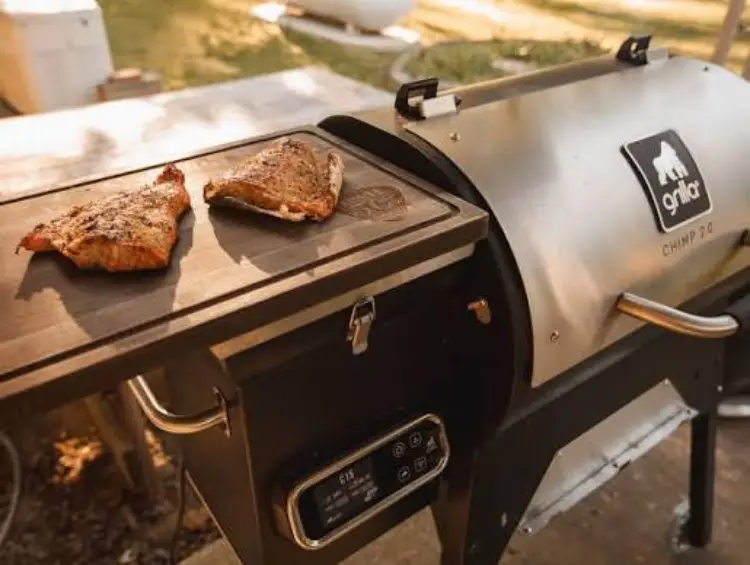
WiFi connectivity ties into the Grilla app, so you can monitor from the couch. In testing, pitmasters ran chuck roasts at 250°F on Pro mode for six hours, then wrapped and probed them to 206°F for pulled beef — the controller held its end of the bargain throughout.
Where It Shines, and Where It Doesn’t
Let me be direct about the trade-offs, because a review that only lists strengths is useless.
What it nails: Low-and-slow smoking. Brisket, ribs, pork butts, weeknight chicken — the Silverbac 2.0 runs steadily for hours, which is exactly what most people buy a pellet grill to do. The bigger hopper (20 lbs) means fewer refills on long cooks. The heat deflectors and firepot fan system keep the chamber even.
Where it falls short: High-temperature searing. This isn’t a Silverbac flaw specifically — nearly every pellet grill struggles to sear without a dedicated sear box, and adding one (like Camp Chef’s Woodwind) costs $500–600 more. The common owner fix is buying GrillGrates for around $90–100, which push surface temps up dramatically and solve the searing gap cheaply.
The smoke-flavor caveat: Some owners feel pellet grills in general produce milder smoke than charcoal or a stick burner. That’s physics, not a defect — it’s true across Traeger, Z Grills, and the rest. If you want more smoke from the Silverbac, running Pro mode and a strong pellet brand (many owners swear by Lumberjack) makes a real difference.
Pricing and Value
The Silverbac line has historically sat in a sweet spot under $1,000, which is where its value argument lives. For a heavy-gauge, WiFi-enabled, well-warrantied pellet grill, it consistently undercuts comparable models on a features-per-dollar basis. Grilla frequently runs discount codes (often 10–30% off select products), so it’s worth checking for an active deal before buying.
Should You Buy the Silverbac 2.0?
Buy it if you’re primarily a smoker — someone who wants reliable brisket, ribs, and pork butts without babysitting a finicky machine, and who values build quality and warranty over gadgetry. It’s also a strong pick for anyone tired of thin-walled grills that lose heat the moment the wind picks up.
Look elsewhere if your main goal is high-heat searing straight out of the box (budget for GrillGrates if you go Silverbac anyway), or if you want the absolute cheapest entry into pellet grilling regardless of build.
The Verdict
The Grilla Silverbac 2.0 doesn’t try to dazzle you — it tries to outlast and outperform the lookalikes it gets compared to, and by most hands-on accounts, it succeeds. The Alpha Connect controller is a meaningful upgrade, the build quality is genuinely a cut above its price class, and the fundamentals of low-and-slow cooking are handled with the kind of steady reliability pitmasters actually want. Pair it with GrillGrates for searing, feed it good pellets, and you’ve got a grill that’ll be earning its spot on your patio long after the trendier options have rusted out.
Common Questions
Is the Grilla Silverbac 2.0 worth it?
For low-and-slow smoking, yes — the build quality, steady temps, and warranty make it a strong value under $1,000. Just factor in GrillGrates (~$90) if searing matters to you.
What’s different in the 2.0 versus the original Silverbac?
The big change is the Alpha Connect controller with P mode (precision temps) and Pro mode (more smoke), plus WiFi, a sturdier build, and a bigger hopper.
Can the Silverbac 2.0 sear steaks?
Not well out of the box — like most pellet grills, it lacks a dedicated sear zone. The affordable fix is adding GrillGrates, which raise surface temperatures significantly.
Does the Silverbac produce enough smoke?
On Pro mode with a quality pellet brand, yes. Pellet grills generally run milder than charcoal or stick burners, so managing expectations helps.
How heavy is the Silverbac 2.0?
Around 200 pounds, shipped freight on a pallet. Have a dolly and help ready for delivery.
