AbeBooks Review: The Name on the Site Is Not the Seller
 By Alana Collins
Almost every complaint about this site comes from the same misunderstanding, and it is an easy one to make.
People think they are buying from a company. They are buying from a second hand bookshop in another country that happens to list there. This AbeBooks review is about what follows from that.
What You Are Actually Using
| What people expect | What it actually is |
| An Amazon owned bookshop | A listing site for independent sellers |
| One warehouse, one parcel | Each book posted by its own shop |
| A central returns desk | A return to the seller who sold it |
| Standard condition grading | A grade each seller applies themselves |
| Amazon speed | Whatever that bookshop's post office does |
Founded in 1995, Amazon owned since December 2008, and still a listing site rather than a shop.
Booksellers pay a monthly subscription between $25 and $500 depending on how much they list, plus commission on each sale, and then post the book to you themselves from wherever they are.
Amazon has owned it since 2008, which is where the confusion starts, because the ownership buys you none of the things people associate with Amazon.
No central warehouse, no unified delivery promise, no one click return, and no phone number that connects you to whoever actually has your money, since that is a bookshop in another time zone.
Order three used books from three sellers and you have made three separate purchases from three businesses, each with its own postage, its own packing standards and its own idea of how fast is fast.
The Grade Is an Opinion
| The grade on the listing | What the site's own guide says it means |
| As New | Pristine, original condition as when published |
| Fine | Nearly as new but without being crisp |
| Very Good | Small signs of wear, no tears to binding or paper |
| Good | Average wear, complete text pages |
| Fair | Worn, complete text, may lack endpapers |
| Poor or Reading Copy | Heavily worn, the text is the value |
These are the published definitions. The same guide notes that criteria vary by seller and by region.
Book condition grading is the single biggest source of disappointment, and the reason is written into the site's own collecting guide, which sets out the standard terms and then says plainly that criteria may vary by seller and region.
So a book condition of Very Good from a meticulous dealer in Edinburgh and Very Good from a clearance warehouse in Arizona are not the same claim, and nothing in the system forces them to be.
Read the words, not the word. A listing that says Very Good and nothing else is telling you very little, while one that says Very Good with a bumped lower corner, a previous owner's name on the half title and tight binding is telling you exactly what will arrive.
That second listing is also, in our experience of reading them, usually from the seller you want.
About That Review Score
The independent platform shows 1,030 reviews at 1.6 out of 5, with 74% at one star, which is among the worst numbers we have published.
It needs context rather than excuse. A marketplace collects complaints about thousands of independent businesses under a single brand name, so every badly packed parcel from every shop lands on one profile, which is why marketplaces always score worse than retailers on these platforms.
That explains part of it and not all of it. The repeated complaints are about book condition grading, unexpected postage charges and a return process people find hard, and those are things a platform sets the rules for even when a seller breaks them.
The praise is equally consistent and worth stating, because reviewers who found a long out of print title in days are genuinely delighted, and that is the thing this site does that nothing else does as well.
How to Use It Properly
| How to buy well here | Why |
| Read the free text, not the grade | The grade is one shop's opinion |
| Prefer listings that describe specifics | Detail means the seller looked |
| Message the seller on anything costly | You are buying from a person |
| Check where the seller is based | It decides the wait and the duty |
| Order one seller at a time | Three books can mean three parcels |
Treat every listing as a conversation with a shop rather than a product page.
- Read the seller's own description before the grade
- Check the seller's country before you check the price
- Message the seller for photographs on anything expensive
- Buy multiple books from one seller, not several
- Keep the order confirmation, since the return goes to them
The one seller point saves the most money, because postage is charged per seller rather than per order, and three cheap books from three countries can cost more in shipping than they did in total.
Who Should Buy
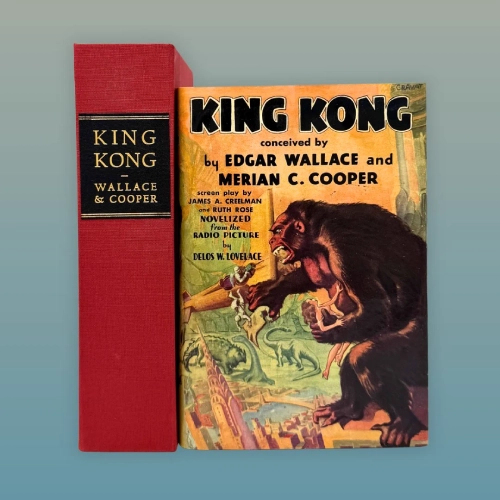
Use it for used books that are out of print, obscure, a specific edition or genuinely rare, which is exactly the job it was built for and still does better than anywhere else.
Look elsewhere for a current title you could buy new, for anything you need by a date, or if you want a returns process that works the way a large retailer's does.
Final Verdict
| Category | Score |
| Finding Out Of Print Titles | 9.5 / 10 |
| Price Range And Choice | 9 / 10 |
| Seller Variety | 8.5 / 10 |
| Condition Reliability | 4 / 10 |
| Returns And Support | 3 / 10 |
| Overall Score | 6.5 / 10 |
Six and a half out of ten. For finding a title that has been out of print for forty years this is still the best tool there is, with sellers in over fifty countries, prices starting at a dollar and a catalogue no single shop could hold. What drags it down is everything after you click buy, with condition grades the site itself says vary by seller, postage charged per seller, returns handled by whoever posted the book, and 74% of 1,030 independent reviewers at one star. Anyone reading an AbeBooks review should buy rare, read the description and expect a bookshop rather than a warehouse.
FAQs
Is AbeBooks owned by Amazon?
Yes, since December 2008, though it still operates as a marketplace of independent booksellers rather than as an Amazon warehouse.
Who am I actually buying from?
An individual bookshop, which posts the book to you itself and handles any return.
Why is the review score so low?
Complaints about thousands of separate sellers land on one brand profile, though condition grading and returns are platform level problems too.
What does Very Good mean?
Small signs of wear with no tears to binding or paper, though the site's own guide says criteria vary by seller and region.
Why am I paying postage several times?
Shipping is charged per seller. Three used books from three shops means three parcels and three postage charges.
What is it genuinely good for?
Out of print, obscure and collectable titles, where it consistently finds things nowhere else stocks.
Do you agree with our review?
Comments (0)
All comments are reviewed and approved by an admin before appearing publicly.
No comments yet - be the first to share your thoughts.
Ask a Question
Got a question about this review or the brand? Ask below - our team answers what we can, and it'll appear here for other readers too.