
Is Moonpreneur Worth It? The Free Workshop Is the Test
 By Alana Collins
STORE RATING
Moonpreneur
Openly: this page carries affiliate links and we may be paid if you sign up through one. We've scored the company 6.5 out of 10 and spent a section pulling apart its own marketing statistics.
Parents ask this question after the free workshop, not before it. That timing matters.
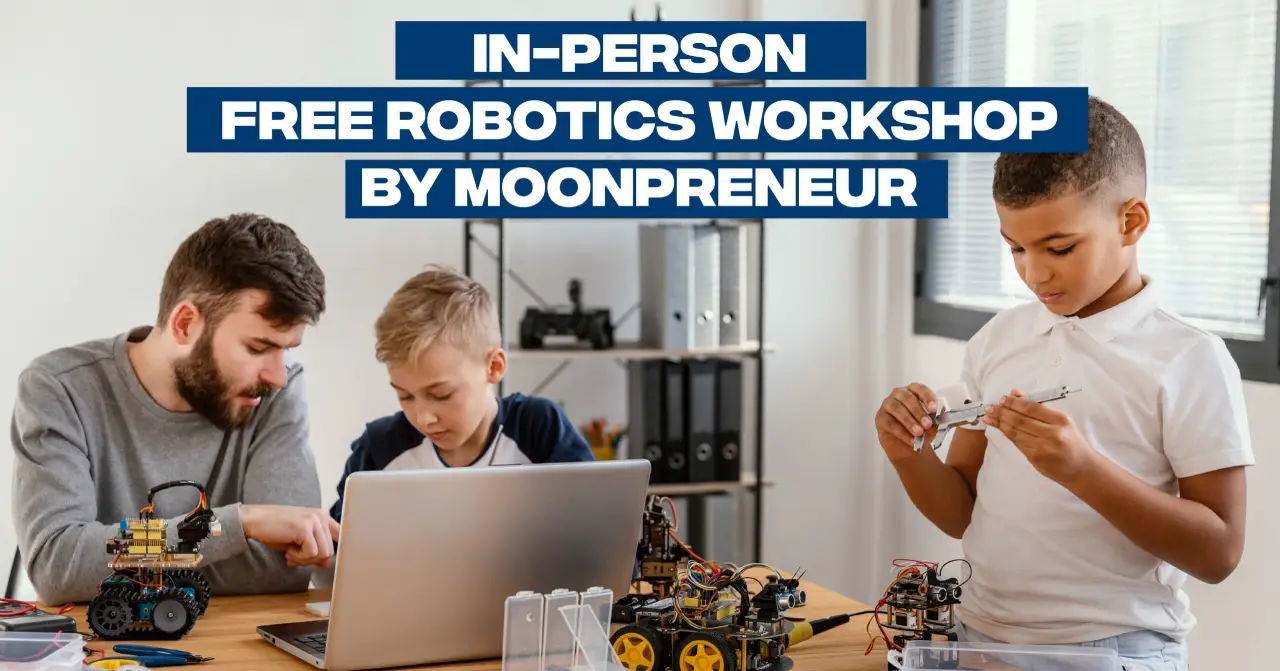
The free session is where the sales conversation starts, and it's also the single most complained-about part of the whole experience. So the useful way to answer is Moonpreneur worth it is to separate the teaching from the selling, because reviewers rate those two things very differently.
What You'd Be Buying
- Robotics, game development and app development for ages 7 to 18
- Advanced robotics and IoT, plus product design, from age 10
- Advanced maths for grades 2 to 8
- Debate, financial literacy and college counselling tracks
- Entrepreneurship programmes including a pre-incubator
- Hybrid delivery, online with in-person workshops
Learning starts at $99 a month, and that figure is where the pricing transparency ends. Programme-level costs aren't published, which means the real Moonpreneur cost arrives during a consultation call rather than on a pricing page.
That's a deliberate sales structure, not an oversight. Worth going in knowing it.
The Reviews, Split Down the Middle
Moonpreneur holds 3.9 out of 5 on Trustpilot across 186 reviews.
| Rating | Share | People, of 186 |
| 5 star | 63% | About 117 |
| 4 star | 7% | About 13 |
| 3 star | 2% | About 4 |
| 2 star | 4% | About 7 |
| 1 star | 24% | About 45 |
Seven in ten parents landed at four or five stars. Nearly a quarter, roughly 45 people, left one.
Small middle again, which tells you the outcome is closer to pass or fail than to a spectrum. And the two groups are complaining and praising about entirely different things.
What the happy parents praise
- Instructors described as patient and genuinely engaging
- Hands-on robotics and game development building real skills
- Children gaining visible confidence
- Show and tell sessions, competitions and doubt-clearing classes
Read enough of these and the pattern is consistent. When the teaching lands, it lands well, and the extras around the core classes seem to matter more to families than the curriculum itself.
What the unhappy parents report
- Free workshops that were lecture-heavy with little hands-on work
- In-person events advertised with venue details parents dispute
- Frequent instructor changes across a year
- Aggressive sales calls around renewal time
- Difficulty removing calendar bookings after cancelling
Notice that almost none of those are about whether children learned anything. They're about how the company sells and administers, which is a different failure from a bad course.
The Statistics Deserve a Closer Look
| Marketing claim | What it does not say |
| 10,000+ students trained | Sits beside a 66,000+ figure |
| 95% success rate | Success is never defined |
| 73% landed a first job | A graduate statistic, not theirs |
| 750+ cities worldwide | Workshop reach, not campuses |
Two numbers for students appear in the same marketing material, one at 10,000 and one at 66,000. They may well be measuring different things, but nothing on the page explains which.
The 95% success rate is the one I'd push back on hardest. A success rate is meaningless without a definition of success, and none is given. Completed the course? Enjoyed it? Renewed?
The employment figure is stranger still. A claim that 73% of graduates with a paid internship landed a degree-requiring first job is a general labour market statistic about internships, not an outcome Moonpreneur produced for children aged seven to eighteen.
None of this means the teaching is poor. It means the marketing is doing work the evidence doesn't support, and parents comparing providers should discount it accordingly.
How to Test It Before Paying

The free workshop is genuinely the right first step, provided you use it as an assessment rather than a demonstration.
- Count the minutes your child spends building versus listening
- Ask for the syllabus in writing, since unclear roadmaps are a recurring complaint
- Ask directly how often instructors change during a year
- Get the full price and the renewal terms in an email, not a phone call
- Ask what the cancellation process is before you need it
If the workshop is mostly a presentation, you've learned something useful about how the classes may run. If your child spends most of it building, that's the version of this company reviewers rave about.
And be ready for follow-up calls. Several parents describe the sales team as persistent, so decide your budget before the consultation rather than during it.
Who It Suits
Worth it if your child is already curious about robotics or game building, you want structured hands-on projects rather than a video course, and you're comfortable negotiating a price that isn't published.
Not worth it if you want transparent upfront pricing, if a rotating cast of instructors would frustrate your child, or if you're hoping the entrepreneurship framing turns into an actual business.
Final Verdict
| Category | Score |
| Teaching Quality | 8.5 / 10 |
| Curriculum Breadth | 8.5 / 10 |
| Price Transparency | 8 / 10 |
| Sales Experience | 7 / 10 |
| Overall Score | 8.2 / 10 |
FAQs
How much does Moonpreneur cost?
Advertised from $99 a month. Full programme pricing isn't published and comes through a consultation call.
What ages does it teach?
Roughly 7 to 18, with individual tracks starting at 7, 9 or 10 depending on the subject.
Is the free workshop actually free?
Yes, with no card required. Expect a sales follow-up afterwards.
Are classes online or in person?
Mainly online, with in-person workshops promoted across many cities. Some parents dispute how those in-person events were advertised.
What is the biggest complaint?
Sales pressure around renewals, alongside free workshops being more lecture than build.
Do children actually learn to code?
The reviews suggest yes, when instruction is consistent. Instructor turnover is the variable to ask about.
Pricing, programme details and review figures were accurate at the time of writing and change over time. Confirm current fees and cancellation terms directly before enrolling.
Do you agree with our review?
Comments (0)
All comments are reviewed and approved by an admin before appearing publicly.
No comments yet - be the first to share your thoughts.
Ask a Question
Got a question about this review or the brand? Ask below - our team answers what we can, and it'll appear here for other readers too.