Filter United Review: Where the MERV Money Stops Working
 By Alana Collins
STORE RATING
Openly: affiliate links sit here and we earn if you use one. The main finding below tells most readers to buy a cheaper filter than the one they were about to.
Nobody enjoys buying furnace filters. You measure a dirty rectangle, guess at a rating and hope.
United Filter publishes something most sellers do not, which is a capture percentage against each tier it sells. That turns the guessing into arithmetic, and the arithmetic has an answer most people will not expect, so this United Filter review spends its time there rather than on packaging.
The Ladder, and Where It Flattens
Four tiers, four published capture figures. Put the gains beside each other.
| Tier | Capture | Gain over previous | Relative gain |
| MERV 8 | Up to 35% | Baseline | Baseline |
| MERV 11 | Up to 65% | 30 points | 86% |
| MERV 13 | Up to 90% | 25 points | 38% |
| Commercial | Up to 95% | 5 points | 6% |
Read the last column, not the second. Moving up one step from MERV 8 buys 86% more capture. The step after 13 buys six per cent.
Going from MERV 8 to MERV 11 lifts capture from 35% to 65%, which is thirty percentage points and a genuine 86% improvement over what you had. That single step is the biggest gain available anywhere on the ladder.
MERV 11 to MERV 13 adds another 25 points, a 38% relative improvement, and still worth having in a house with allergies or pets. Then it stops. Thirteen to commercial adds five points, or six per cent, for a filter designed for a building rather than a bungalow.
So anyone asking MERV 11 vs MERV 13 is asking about the second best step on the ladder, and anyone still on MERV 8 has a much better upgrade sitting one rung below them.
What United Filter Actually Sells
| Spec | United Filter |
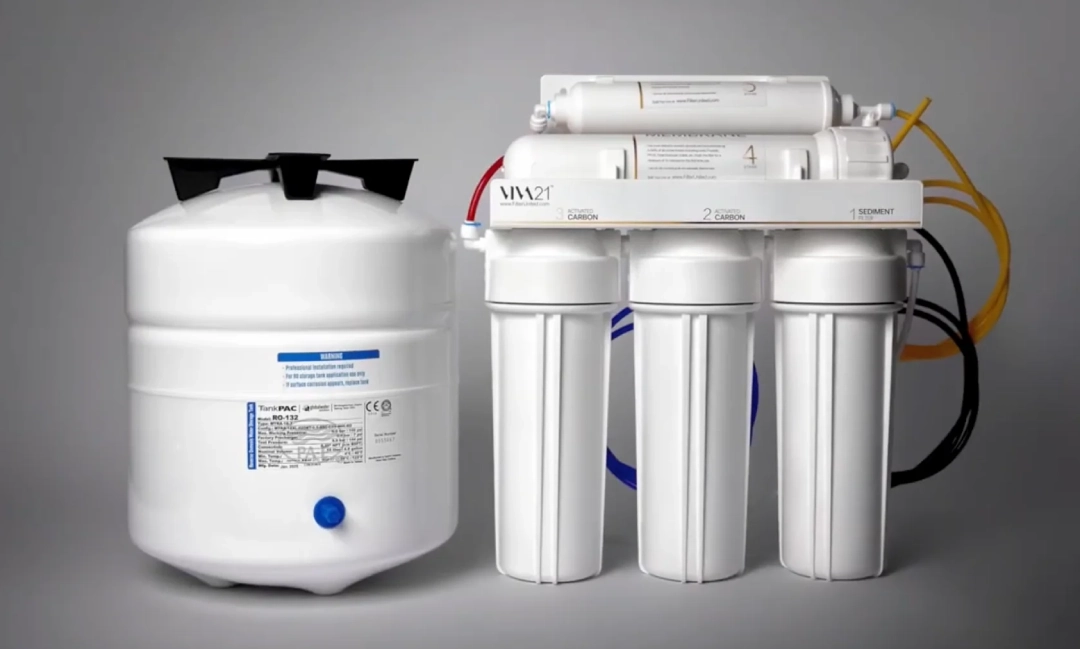
| Made in | Canada, Oakville Ontario |
| Tiers | MERV 8, 11, 13 and commercial |
| Thickness | 1, 2, 3, 4 and 5 inch |
| Sizes | 10x10 up to 30x36, plus custom |
| Case price | About $41 to $114 |
| Case size | 3 to 12 filters |
| Ships to | Canada and the USA |
Made in Canada with a published address is more than most filter brands offer, and it is the sort of thing you only appreciate when a size is wrong.
The size range is the practical strength. Everything from 10x10 up to 30x36, in one through five inch thicknesses, with custom sizes for the awkward returns that older houses hide in hallway ceilings.
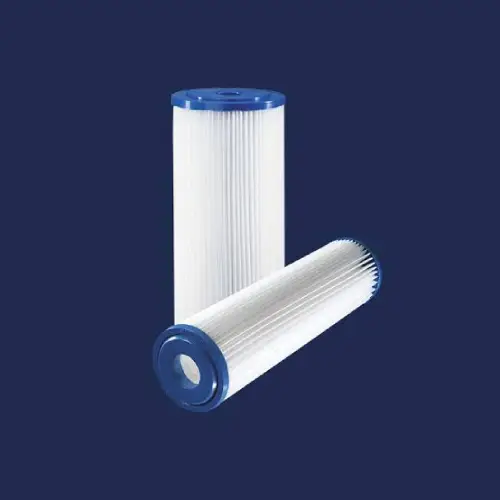
Thickness matters more than most people realise. A four or five inch filter has vastly more pleated surface area folded inside the same opening than a one inch panel does, which means it loads up with dust more slowly, restricts airflow less as it ages, and gets changed perhaps twice a year instead of every month.
The Price Per Filter
Case pricing hides the unit cost, so here it is unpicked.
| Working out the unit price | Case | Per filter |
| Small case, low end | 3 at $41 | $13.67 |
| Mid case, low end | 4 at $41 | $10.25 |
| Mid case, high end | 4 at $114 | $28.50 |
| Large case, high end | 12 at $114 | $9.50 |
Between $9.50 and $28.50 a filter depending on size, tier and case count. Buying the larger case is doing most of the work.
A twelve pack at the very top of the price range still lands under ten dollars a filter, while a three pack at the bottom of that same range works out at nearly fourteen. That is the exact opposite of what the two sticker prices suggest at a glance, and it is worth a moment with a calculator before anything goes in the basket.
Run it against the ladder and the value case becomes obvious. A MERV 11 furnace air filter bought twelve at a time is the cheapest meaningful upgrade available in this category, because you are taking the 86% step at the lowest unit price on the sheet.
What Is Missing
Being fair about the gaps matters as much as the strengths.
- Capture figures are published as up to, not as tested ranges
- No particle size breakdown alongside the percentages
- No independent laboratory testing we could locate
- Editorial reviews of the brand are almost non existent
Those up to figures are the honest caution here. MERV itself is a standardised scale, so the tier names genuinely mean something and are comparable across brands, but a capture percentage quoted without the particle size band it was measured against is a marketing number rather than a test result. Useful. Not verifiable.
The independent evidence picture is thin in a different way. There is a substantial pool of buyer ratings across the brand's retail listings, hundreds of them, yet almost nothing in the way of published testing or editorial coverage, which is common for filter brands and still worth naming.
Who Should Buy These
Buy them if your return has a non-standard opening, if you want a four or five inch filter thicker than anything the hardware store bothers to stock, or if you are buying enough at once to drag the case price down under ten dollars a unit.
Skip them if you need laboratory verified performance data for a medical reason, or if you only need one filter and the case minimum pushes you into buying four.
Final Verdict
| Category | Score |
| Size Range | 9.5 / 10 |
| Bulk Pricing | 9 / 10 |
| Manufacturing Transparency | 8.5 / 10 |
| Published Test Data | 5 / 10 |
| Independent Review Depth | 5 / 10 |
| Overall Score | 8 / 10 |
The size range and the case economics are the reasons to buy here, and Canadian manufacturing with a published address is a small reassurance most competitors do not offer. What holds the score at eight is the absence of independent testing behind the capture percentages and an editorial record that barely exists. Anyone reading a United Filter review to settle MERV 11 vs MERV 13 should look one rung lower first, because the jump from MERV 8 to 11 delivers 86% more capture against 38% for the step above it, and it does so at the cheapest unit price in the range.
FAQs
Which MERV rating should I buy?
MERV 11 for most homes. It captures up to 65% against 35% at MERV 8, which is the biggest single gain on the ladder.
Is MERV 13 worth the upgrade?
In a house with allergies or pets, yes. It adds 25 points of capture, a 38% relative gain over MERV 11.
What about commercial grade?
Five extra points over MERV 13, or six per cent. That is a building specification rather than a home one.
How much does a filter cost?
Roughly $9.50 to $28.50 each, depending on size, tier and how many are in the case.
Where are they made?
Canada, from a published address in Oakville, Ontario, and shipped to both Canada and the US.
What sizes are available?
From 10x10 up to 30x36, in one through five inch thicknesses, with custom sizes offered.
Pricing, specifications and published capture figures were accurate at the time of writing and change often. Capture percentages are the manufacturer's own stated figures rather than independently verified test results, and are quoted as maximums. Confirm the exact size and thickness of your existing filter before ordering.
Do you agree with our review?
Comments (0)
All comments are reviewed and approved by an admin before appearing publicly.
No comments yet - be the first to share your thoughts.
Ask a Question
Got a question about this review or the brand? Ask below - our team answers what we can, and it'll appear here for other readers too.