Wyuna Botanicals Review: The Price Per Millilitre Nobody Prints
 By Alana Collins
STORE RATING
Said openly: affiliate links appear below and we earn on purchases made through them. The central finding here is that this brand is expensive, which is not the usual affiliate conclusion.
Natural skincare brands are usually sold on story. Native botanicals, small batches, a naturopath in the founding team.
All of that is true here, and none of it tells you whether the jar is worth the money. So this Wyuna Botanicals review does the arithmetic first and the storytelling afterwards.
What It Actually Costs
| Product | Size | Price | Per ml |
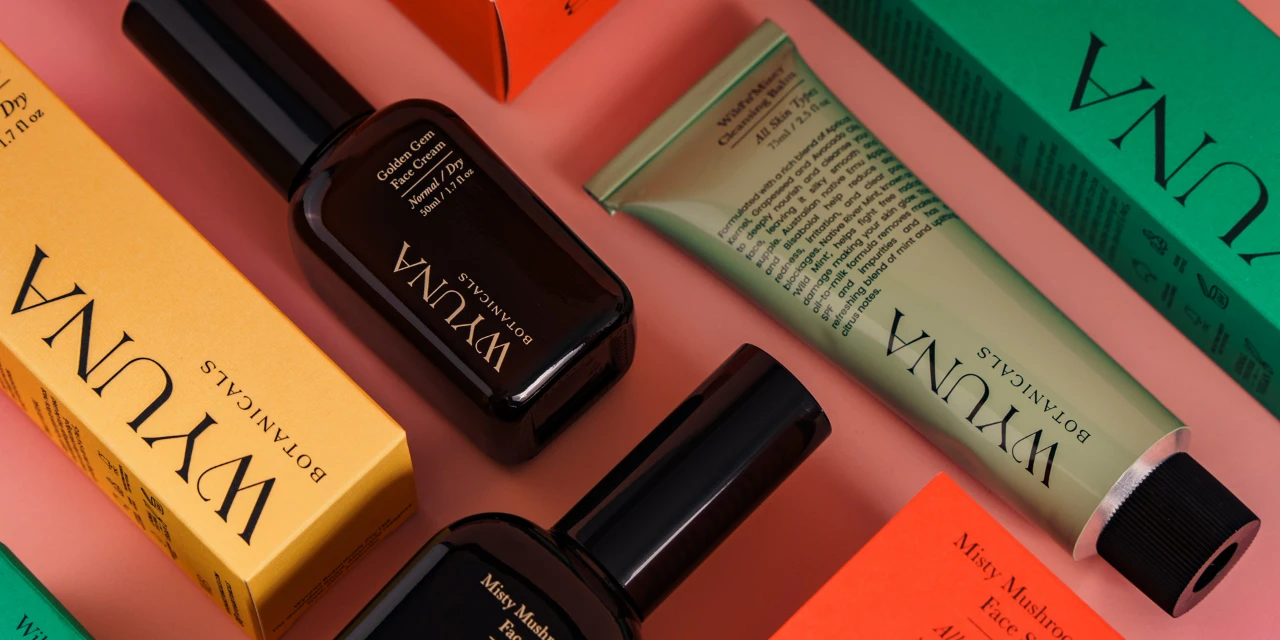
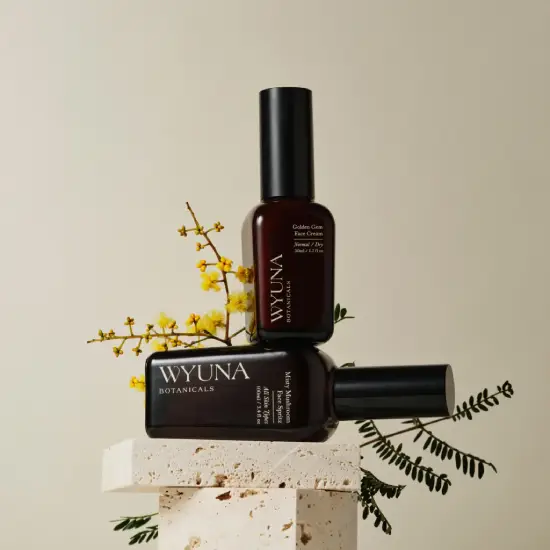
| Misty Mushroom Face Spritz | 100 ml | $54.99 | $0.55 |
| Wild'n'Minty Cleansing Balm | 75 ml | $59.99 | $0.80 |
| Golden Gem Face Cream | 50 ml | $69.99 | $1.40 |
Prices are in Australian dollars, so check them against your own currency before ordering. Free shipping starts at $90 AUD.
The face cream is the number that stops you. At $1.40 per millilitre it sits in premium territory, well above supermarket natural brands and squarely among department store skincare.
The spritz is the outlier in the other direction. A hundred millilitres for $54.99 works out at 55 cents, which for a hydrating mist is reasonable rather than remarkable.
Bundles knock a consistent 20% off. The Complete Collection drops from $226.96 to $181.57, which is a real saving but also a $180 first order from a brand you haven't tried.
What's In It
This is where the price starts making more sense. The Wyuna Botanicals ingredients list reads like a shortlist rather than a shopping list.
- Kakadu plum, one of the richest known natural sources of vitamin C
- Gotu kola, long used for skin barrier support
- Turmeric and seabuckthorn fruit
- Hyaluronic acid and vitamin C as named actives
- Essential oils kept under 0.3% of the formula
That last bullet is the one that impressed me most, and almost nobody would notice it. Essential oils are the usual culprit when a natural product irritates sensitive skin, and holding them under 0.3% is a deliberate formulation choice rather than an accident.
Formulation is credited to a naturopath and a cosmetic chemist working together. Whether that pairing appeals depends on your view of naturopathy, but the cosmetic chemist half is the reason the ingredient lists read like actual skincare rather than a smoothie.
The Certifications, Checked
| Claim | Status |
| Vegan | Certified |
| Cruelty free | PETA approved |
| Dermatologically tested | Stated on product pages |
| Australian made and owned | Stated |
| Nut free | Stated, plus gluten and soy free |
| Packaging | FSC certified, recyclable |
Two of those are independently verified rather than self-declared. Certified Vegan and PETA cruelty-free both involve an outside body, which is more than most brands using the same words can say.
The rest are manufacturer statements. That's normal and not a criticism, but dermatologically tested in particular is a phrase with no fixed legal definition, so treat it as a signal rather than a guarantee.
The nut-free, gluten-free and soy-free positioning is genuinely useful and rarely offered. If you've ever had to email a skincare company to ask about almond oil, you'll understand why that's on the label.
Who It's Formulated For
Normal, dry, sensitive and mature skin, with specific mention of eczema-prone and reactive skin.
Worth saying clearly here: skincare doesn't treat eczema, and nothing in this range is a medicine. What a well-formulated barrier product can do is avoid making a compromised skin barrier worse, which is a much lower bar and a genuinely useful one. Anyone managing a diagnosed skin condition should be talking to a doctor about it rather than a product page.
For oily or acne-prone skin the range is thinner. The cream is described as non-comedogenic, but this is a brand built around hydration and barrier support rather than oil control.
The Evidence Problem
Here's my main reservation, and it isn't about the formulas.
Individual product pages carry no visible star ratings or review counts, and the brand runs a rewards programme offering up to 20% back for leaving reviews. Incentivised reviews aren't dishonest, and plenty of good companies run them, but they do mean on-site praise carries less weight than praise nobody was paid for.
Independent Australian vegan skincare retailers stock the range, which is a useful second opinion, since a buyer at a third-party store has no reason to carry a brand that gets returned.
Still, if you want to see fifty strangers describe how a cream behaved over three months before spending $70, that evidence is harder to find here than it should be.
How to Try It Without Overspending
Don't start with the $181 bundle.
- Begin with one product, ideally the cleansing balm or the spritz
- Patch test on the inner forearm for two days if your skin reacts easily
- Give any new cream a full four weeks before judging it
- Check the AUD price against your card's conversion, not the sticker
Four weeks is not marketing patience, it's roughly how long skin takes to turn over. Anything you conclude in week one is mostly about texture and smell.
Final Verdict
| Category | Score |
| Ingredient Quality | 9 / 10 |
| Certification Transparency | 9 / 10 |
| Sensitive Skin Suitability | 8.5 / 10 |
| Value per Millilitre | 5.5 / 10 |
| Review Evidence Available | 4 / 10 |
| Overall Score | 7.5 / 10 |
The formulation work here is real: native Australian actives, two independent certifications, allergen-conscious labelling and essential oils kept deliberately low. What holds it back is the price per millilitre and the thin independent review trail, which together make this a considered purchase rather than an impulse one. Anyone reading a Wyuna Botanicals review while comparing it to a supermarket natural range is comparing across two different price brackets.
FAQs
Is Wyuna Botanicals actually Australian?
Yes, it states Australian made and owned, and the formulas lean on native botanicals like Kakadu plum.
Is it suitable for sensitive skin?
It's formulated for it, with essential oils held under 0.3% and nut, gluten and soy free labelling. Patch test regardless.
How much does it cost?
Individual products run roughly $54.99 to $69.99 AUD, with bundles discounted 20%.
Is it certified vegan?
Yes, Certified Vegan and PETA approved cruelty free, both through outside bodies.
What are the key ingredients?
Kakadu plum, gotu kola, turmeric and seabuckthorn, alongside hyaluronic acid and vitamin C.
Where should a first-time buyer start?
One product rather than a bundle. The cleansing balm and the face spritz are the lowest-risk entry points.
Pricing and product details were accurate at the time of writing and are listed in Australian dollars. Nothing here is medical advice; speak to a clinician about diagnosed skin conditions.
Do you agree with our review?
Comments (0)
All comments are reviewed and approved by an admin before appearing publicly.
No comments yet - be the first to share your thoughts.
Ask a Question
Got a question about this review or the brand? Ask below - our team answers what we can, and it'll appear here for other readers too.