
Disclosure: Coco n Deals may earn a commission if you buy through links on this page, at no extra cost to you. I only review products I’ve independently researched.
Most furniture is designed to be thrown away. A cushion sags, a leg wobbles, a seam splits — and because you can’t buy just that one part, the whole $2,000 sofa goes to landfill and you start again. Sabai, a small woman-owned brand making furniture in the USA, built its entire model around refusing that. Every part is replaceable, the foam is certified non-toxic, the fabrics are recycled, and there’s a “Repair Don’t Replace” program that ships you a part instead of guilt. It’s a genuinely good premise — but premises don’t hold up your back at movie night. This Sabai sofa review weighs the five-year superfans against the week-one horror stories, because both exist and you deserve both.
Why Trust This Review
Nobody pays me for verdicts at Coco n Deals. For this article I read long-term ownership accounts spanning five years, a 60-day hands-on test, a designer’s professional assessment, verified owner reviews, and — crucially — the detailed negative reviews from buyers who had real problems. Where owners disagree, I’ll show you both sides rather than pick the flattering one. My archive is in the reviews section.
What Is the Sabai Essential Sofa?
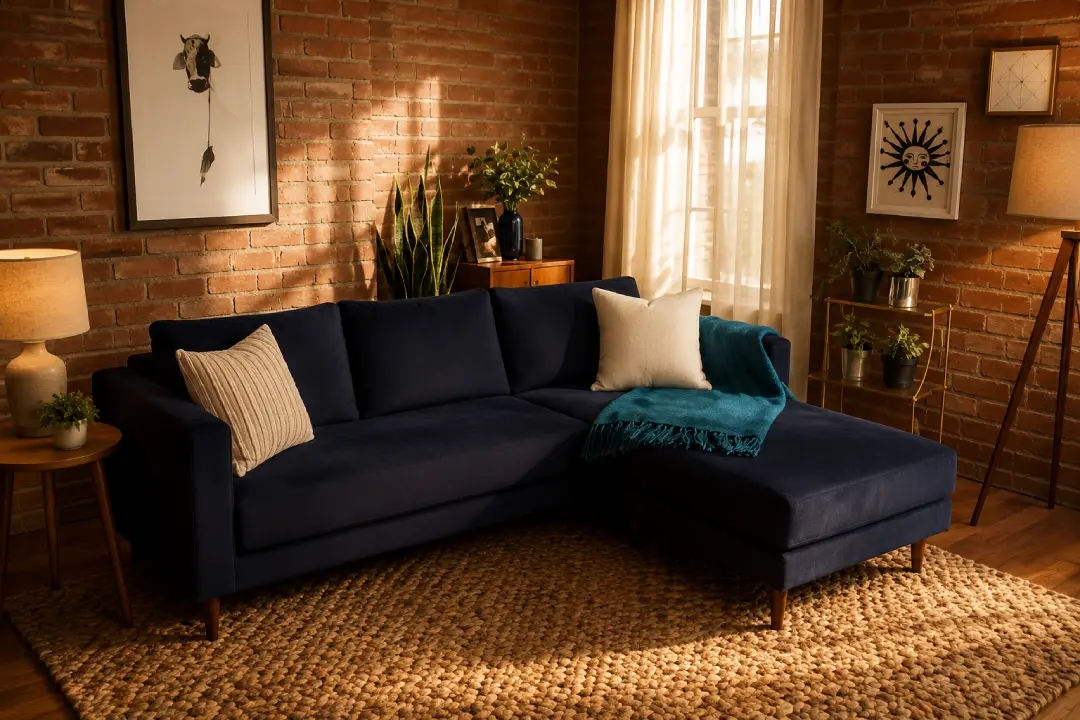
The Sabai Essential is the brand’s flagship: a classic, simple sofa (and sectional, and loveseat) made to order in the USA, with 90% of materials sourced within 100 miles of its family-owned factory. The sustainability credentials are specific rather than vague — CertiPUR-US certified non-toxic foam, FSC-certified wood, and a choice of recycled fabrics including upcycled poly and recycled velvet, with plastic-free shipping. The design language is deliberately minimal: one core silhouette in a few sizes with a chaise option, dark or natural maple legs. What sets it apart is circularity: the Repair Don’t Replace program sells individual parts — cushions, covers, legs, sections — and the Sabai Revive program takes back your whole sofa at end of life. Pricing runs from the $1,375 Essential Loveseat to around $2,395 for the sectional, undercutting sustainable rivals. The trade-offs are stated plainly by reviewers: a 30-day trial (with a $50 return fee), no white-glove delivery, no fully modular collections, and a smaller fabric library than giants like Joybird.
What the Sabai Gets Right
- The repair program isn’t marketing — it works: one reviewer deliberately tested it, claiming a sagging cushion at month 4; a replacement arrived in 9 days, no inspection, no shipping fee. That’s how warranties should work and almost never do.
- Genuinely non-toxic, genuinely circular: CertiPUR-US foam, FSC wood, recycled fabrics, no off-gassing claims — plus a trade-in program. A designer reviewer called the replaceability “not common in DTC furniture.”
- It undercuts the sustainable competition: at $2,395 it sits below Burrow ($3,099) and Joybird ($3,441) while matching them on build quality, per a hands-on comparison.
- Long-term owners genuinely love it: a reviewer five years in, now on her second Sabai, calls it “the most comfortable, durable, and chic couch I’ve ever owned” — and, as a new mom, praises how spill- and stain-proof it is.
- Apartment-friendly: it assembles in-room without white-glove help and clears tight doorways — a real advantage the big brands often can’t match.
Sabai vs the Sustainable Competition
If you’re cross-shopping eco-sofas, here’s where Sabai actually sits:
| Sabai Essential | Burrow | Joybird | |
|---|---|---|---|
| Starting price | ~$2,395 | ~$3,099 | ~$3,441 |
| Trial period | 30 days ($50 fee) | 30 days | 365 days |
| Fabric options | ~15 | More | 80+ |
| Repair program | Yes — core strength | Limited | Limited |
| Best for | Eco + budget | Design coverage | Customization |
The pattern is clear: Sabai wins on price, sustainability and the repair program; it loses on trial length (30 days versus Joybird’s year), fabric choice, and sheer brand awareness. If your priorities are non-toxic materials and repairability at a moderate budget, it’s one of the best values going. If you want 80 fabrics and a year to decide, look elsewhere.
The Lineup: What to Buy
1. The Essential Sofa — the flagship
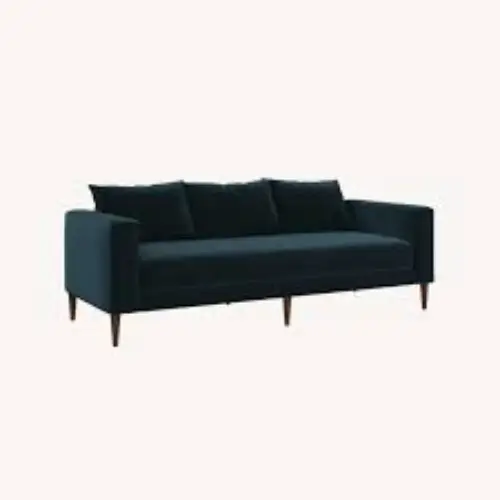
The core three-seater, made to order in upcycled poly, hemp blend or recycled velvet. The piece this Sabai sofa review centres on, and the sensible starting point. Order free swatches first — fabric colour reads differently at home.
2. The Essential Loveseat — $1,375

The small-space version, and the lowest-risk way into the brand. A senior shopping editor a year in reports it “just as comfortable as the first day it arrived.”
3. The Essential Sectional — ~$2,395

The full sectional, and the configuration most tested by reviewers (Yawnder scored it 8.6/10 over 60 days). The pick for a family living room, with the same repairability across every section.
4. The Eclipse Sleeper Sofa — $2,395
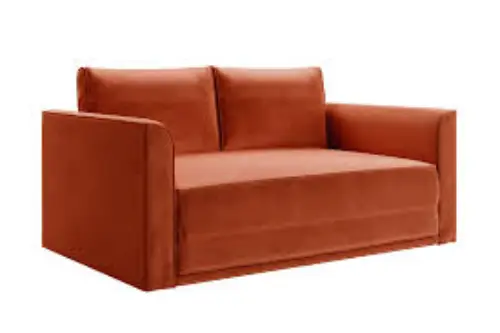
The sleeper option, in hemp blend, recycled velvet or upcycled poly. An editor who tested it wanted small-space-friendly and guest-worthy without guilt — and got both. The pick if you host overnight.
What Owners Say — Both Sides, Honestly
The love is real and it lasts. Beyond the five-year superfan, owners consistently praise the comfort, the luxurious-looking recycled velvet, easy self-assembly, and the peace of mind of non-toxic materials. “Best couch ever,” writes one, four months in and still “full/fluffy and brand new” after regular fluffing and one cushion-flip. The design-press coverage is warm too, and the repair program turns nervous online buyers into advocates — knowing you can replace any part at any time removes the single biggest fear of buying a sofa unseen.
Now the half the brand won’t highlight, because it matters at this price. One detailed reviewer’s Essential Sofa arrived with construction, upholstery and durability issues within a single week — a wonky screw, a problem side, a front rail — on a couch not yet three months old, and she ultimately requested a full refund, concluding the start-up may have gone to market before it was ready. Another owner reports seat cushions weakening in under a year, softening then flattening sooner than expected. The through-line: quality control is inconsistent, and while Sabai’s customer service is repeatedly described as polite and quick to offer replacement parts, being offered parts isn’t the same as receiving a sofa that didn’t need them. My read is that this is a genuinely good product with a genuine QC-variance problem — which is exactly why the 30-day trial and the repair program matter so much. Inspect yours carefully on arrival, and use the return window if the build isn’t right. For more of the design-led home brands I’ve looked at, see my
The Social Media Story
Sabai grew through the sustainable-living and small-space corners of Instagram, and through the unusually honest ecosystem of unsponsored bloggers who bought it themselves — several of the most-cited reviews explicitly note they paid full price. That’s a double-edged sword for the brand: the same authenticity that builds trust also surfaces the QC complaints in plain view. The woman-owned, made-in-USA, no-greenwashing story resonates hard with its target buyer, and the repair program is inherently shareable — “they just sent me a new cushion, free” is exactly the kind of post that sells a sustainable brand better than any ad.
My Verdict: Is the Sabai Sofa Worth It?
Yes — with your eyes open and your return window in mind. This Sabai sofa review finds a genuinely sustainable, non-toxic, repairable sofa that undercuts its eco-rivals on price and turns long-term owners into evangelists. The repair program is the real deal and the five-year testimony is convincing. But quality control is inconsistent enough that I can’t call it flawless — some sofas arrive perfect and last years, others need parts in week one. Order swatches, buy the loveseat first if you’re unsure, inspect carefully on arrival, and treat the 30-day trial as essential rather than optional. Sustainability: 5/5. Comfort: 4.5/5. Repairability: 5/5. Quality-control consistency: 3/5.
FAQs
Is the Sabai Essential sofa good quality?
It’s a genuine mixed picture. Many owners report years of comfortable, durable use and rate it highly; a minority report construction issues or cushions weakening within the first year. The materials and design are strong — quality-control consistency is the weak point, so inspect on arrival and use the trial period.
How does Sabai’s Repair Don’t Replace program work?
You buy individual replacement parts — cushions, covers, legs, sections — instead of a whole new sofa. One reviewer tested it and received a replacement cushion in 9 days with no inspection and no shipping fee. It’s the brand’s standout feature and a real reason to consider it.
Is Sabai actually non-toxic?
Yes — CertiPUR-US certified foam, FSC-certified wood, recycled and upcycled fabrics, and no-off-gassing claims, all made in the USA. It’s one of the more credibly sustainable sofas in the direct-to-consumer market, which is much of its appeal.
How long does Sabai take to deliver?
Sabai furniture is made to order, so expect roughly four weeks before it ships, then 1–5 days in transit. There’s no white-glove delivery — you assemble it yourself, which owners generally describe as straightforward.
