
Disclosure: Coco n Deals may earn a commission if you buy through links on this page, at no extra cost to you. I only write about products I’ve actually researched myself.
At some point, most of us have the tap-water moment — maybe it’s a news story about PFAS “forever chemicals,” maybe it’s just the taste — and suddenly you’re deep in reverse osmosis research at midnight, drowning in acronyms. So let me simplify the landscape: the Waterdrop G3P800 is the system that keeps coming up as the modern answer, and this Waterdrop G3P800 review digs into why. It’s tankless (so it doesn’t eat your under-sink cabinet), it’s fast (800 gallons per day — genuinely big-family capacity), and its contaminant-reduction claims aren’t marketing fluff — they’re backed by NSF certifications and third-party lab testing. At $999 list, it’s a real investment, so let’s work out honestly whether it’s the right one for you.
Why Trust This Review
Nobody pays me for a nice verdict at Coco n Deals. For this I went through the G3P800’s certifications (the verifiable part), its specs and filter economics, and a wide spread of owner feedback — including installs by regular people, not plumbers. Everything else I’ve reviewed is in my reviews archive.
What Is the Waterdrop G3P800?
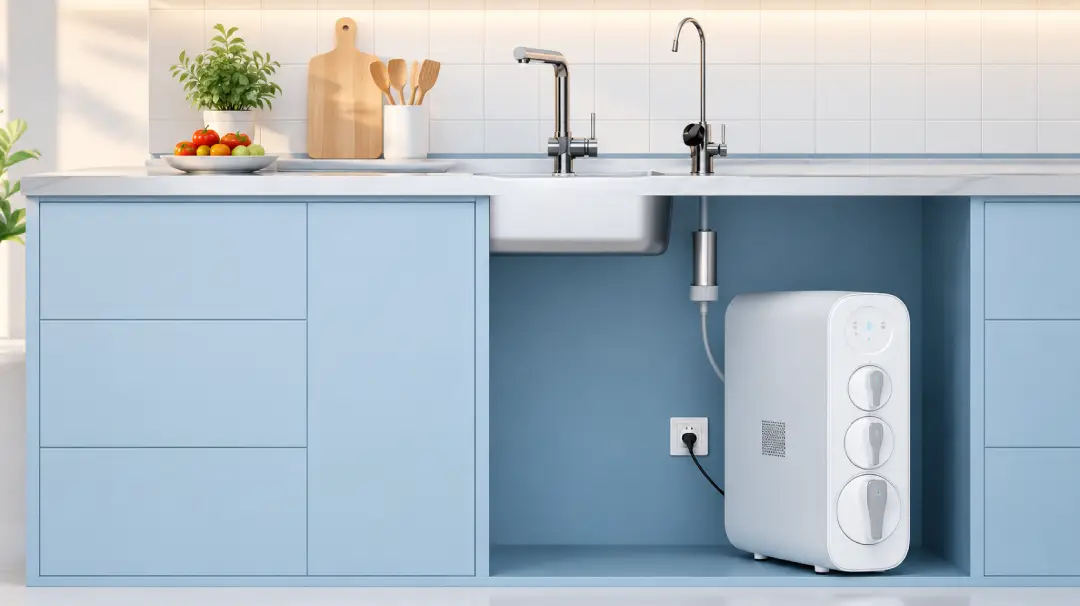
The G3P800 is a Waterdrop G3P800 tankless reverse osmosis system that lives under your kitchen sink and feeds a dedicated smart faucet. Reverse osmosis, in one line: water is forced through an extremely fine membrane (0.0001 micron here) that strips out the dissolved stuff ordinary filters can’t touch. Four things make this unit stand out. First, the certifications — worth slowing down for, because anyone can claim “removes 99% of contaminants.” The G3P800 is certified by IAPMO R&T against NSF/ANSI 58 (TDS reduction), 42 and 53 (chlorine, taste, odour and health-related contaminants), and 372 (lead-free materials), with its 10-stage filtration additionally tested by SGS, an independent lab. Per that testing it reduces PFAS (PFOA/PFOS by up to 99%), fluoride, lead, chromium, arsenic, nitrates, radium and over a thousand other contaminants. In a category full of vague promises, this is an RO system that removes PFAS and fluoride with the paperwork to prove it. Second, it’s tankless: instead of a bulky pressurised tank it makes water on demand, filling a cup in about five seconds and freeing most of your cabinet. Third, capacity — 800 gallons per day at a 3:1 pure-to-drain ratio (excellent for RO; older systems often run the other way). Fourth, the smart faucet shows live TDS and filter life, so you can see it working. Installation is a genuine 30-minute DIY with quick-connect fittings — owners confirm no plumber needed — and a UV variant adds a sterilising light for bacteria and viruses.
What the G3P800 Gets Right
- The certifications are real, not marketing: NSF/ANSI 42, 53, 58 and 372, plus SGS third-party testing — in a category where every brand claims everything, verified reduction of PFAS, fluoride, lead and more is the whole reason to pick this unit.
- Genuinely big-family capacity: 800 GPD with a five-second cup fill means no waiting and no running dry — this is the best reverse osmosis system for large family use in its price bracket, and owners with big households confirm it keeps up.
- Tankless frees your cabinet: the slim upright design replaces the bulky tank-plus-filters sprawl of old RO systems — a real, daily-life advantage under a busy kitchen sink.
- Water-efficient for RO: the 3:1 pure-to-drain ratio is among the best going — RO always makes some waste water, but this makes far less of it than older systems.
- Real DIY install: 30 minutes with included fittings and a video — repeatedly confirmed by non-handy owners. No plumber bill on top of the purchase.
Which Waterdrop Should You Actually Get?
The range confuses people, so here’s the honest sizing guide:
| Your household | Get this | Why | Note |
|---|---|---|---|
| 1–2 people, budget | G3 (400 GPD) | Plenty of capacity, cheaper | Same core tech |
| 3–5 people | G3P800 | Fast fills, never waits | The sweet spot |
| Well water / bacteria worry | G3P800 with UV | Adds sterilising light | Costs more |
| Want alkaline minerals back | X Series | Remineralisation stage | Higher price |
My honest steer: the G3P800 is the sweet spot for most families of three or more — the capacity headroom is worth it over the smaller G3 if your household actually drinks, cooks and fills bottles all day. Go UV only if you’re on well water or specifically worried about microbes (city water is already disinfected), and look at the X Series only if you want minerals added back for taste. Don’t overbuy — a couple in an apartment will never notice the difference between 400 and 800 GPD.
The Honest Part: What It Really Costs to Run
The $999 sticker is only half the maths, so let’s do the other half openly — the part most reviews skip. The G3P800 has three replaceable filters: the CF pre-filter (every 6 months or 550 gallons), the CB carbon filter (annually or 1,100 gallons), and the RO membrane (every 2 years or 2,900 gallons). Budget for that ongoing cost before you buy — a neglected filter schedule quietly undermines the system’s whole point, and the smart faucet’s filter-life display helps you stay honest. Two more truths: like all RO it sends some water to drain (though far less at 3:1), and RO strips minerals along with contaminants — very pure water tastes “flat” to some at first; remineralisation options exist if it bothers you. One sensible note: check your local water report (the EWG tap water database is free) so you’re solving the problem you actually have. None of this is a strike against the G3P800 — it’s just the full picture a $999 purchase deserves.
What to Buy
1. Waterdrop G3P800 — the flagship, $999 list
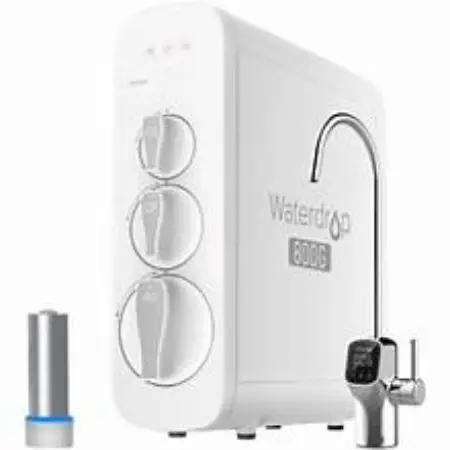
The 800 GPD tankless system this review centres on, with the full certification stack and smart faucet. Watch for sales — it’s frequently discounted below list.
2. G3P800 with UV Sterilising Light
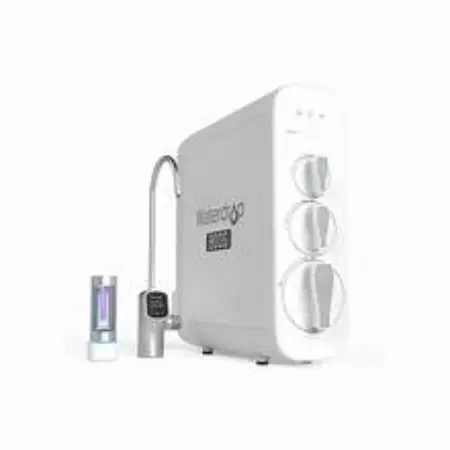
The same system with a UV stage that addresses bacteria and viruses — the pick for well water or anyone wanting the extra microbial layer.
3. Replacement Filter Set — budget for these
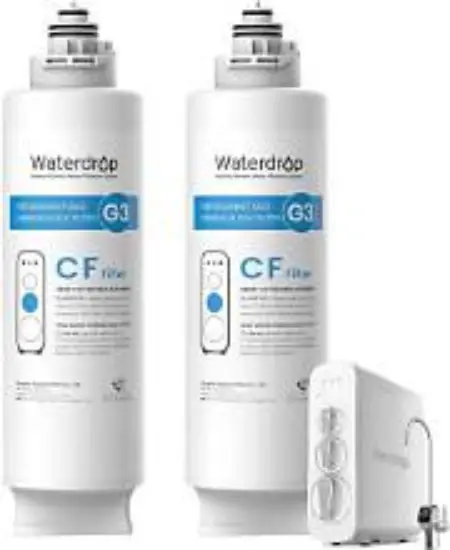
The CF, CB and RO filters on their schedules are part of the real cost of ownership. Grab the first CF replacement with the system so the 6-month mark doesn’t catch you out.
4. Waterdrop G3 (400 GPD) — the smaller-household pick
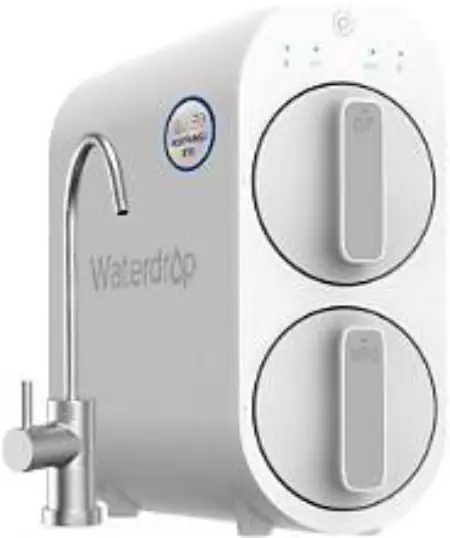
Same core technology at a lower price and capacity — the sensible choice for one- and two-person homes that don’t need 800 gallons a day.
What Owners Say
The satisfaction runs unusually deep for a home appliance — multiple owners describe buying second and third units for family members’ homes, which is about the strongest endorsement a $999 product can earn. The taste transformation is the first thing everyone mentions (tea, coffee and ice all improve), the five-second fills and never-waiting capacity genuinely land for big households, the space saved under the sink gets steady praise, and the savings versus bottled water — “hundreds” by several accounts — make the price feel like an investment rather than a splurge. The DIY install repeatedly surprises people with how painless it is, and the smart faucet’s live TDS readout gives that reassuring “it’s actually working” feedback daily.
The honest cons. The upfront price is real, and the filter replacements are a genuine ongoing cost — do the full maths before committing. The pump, while quiet, isn’t silent when running. Very pure RO water tastes “flat” to some palates until they adjust (or remineralise). You’ll need a hole in your sink or countertop for the dedicated faucet, which gives some renters pause. And like all RO, it sends some water to drain — excellent 3:1 ratio notwithstanding. None of that changes the core verdict; it just belongs in an honest one. For more home upgrades I’ve looked at, my
reviews archive has them.
The Social Side
Water quality has become genuinely mainstream content — PFAS coverage pushed it there — and the G3P800 rides that wave as the modern-looking answer in a category that used to be plumbing-forum territory. The TDS-meter demo (tap water’s reading versus the G3P800’s) is the format that sells it on video: simple, visual, and repeatable by any owner. It also anchors plenty of “best tankless RO” roundups, and the presence at Home Depot and Best Buy gives it a mainstream-retail credibility most direct-to-consumer filter brands lack.
The Verdict
For a family serious about its drinking water, this is the strongest all-round pick I’ve seen at the price. This Waterdrop G3P800 review lands on: the certification stack makes the contaminant-reduction claims genuinely trustworthy — verified PFAS, fluoride, lead and TDS reduction rather than marketing — while the tankless design, 800 GPD capacity, water-efficient 3:1 ratio and painless DIY install remove the classic RO headaches. Budget honestly for the filter schedule, expect the pure-water taste adjustment, and size sensibly (the smaller G3 suits small households; UV suits well water). Do that and it’s an investment your household drinks the returns on daily. Certification & filtration: 5/5. Capacity & speed: 5/5. Install & design: 4.5/5. Total cost of ownership: 3.5/5.
A Few Common Questions
Does the Waterdrop G3P800 really remove PFAS and fluoride?
Per its third-party testing, yes — the 10-stage system is SGS-tested to reduce PFOA/PFOS by up to 99% along with fluoride, lead, chromium, arsenic and over a thousand other contaminants, and the system is certified by IAPMO R&T against NSF/ANSI 42, 53, 58 and 372. That verified paperwork — rather than loose claims — is the main reason to choose it in a crowded category.
Is the Waterdrop G3P800 good for a large family?
It’s arguably the best fit in its bracket — 800 gallons per day with a roughly five-second cup fill means a busy household never waits or runs the system dry, and owners with big families confirm it keeps up with drinking, cooking and bottle-filling all day. Smaller households can save money with the 400 GPD G3, which shares the same core technology.
How often do the filters need replacing?
Three schedules to budget for: the CF pre-filter every 6 months (or 550 gallons), the CB carbon filter annually (or 1,100 gallons), and the RO membrane every 2 years (or 2,900 gallons). The smart faucet tracks filter life so you’re not guessing. Factor these into the real cost of ownership before buying — a neglected schedule undermines the system’s whole point.
Can I install the G3P800 myself?
Almost certainly — it’s designed for a roughly 30-minute DIY install with quick-connect fittings, clear instructions and a video, and owners without plumbing skills repeatedly confirm it went smoothly. The one structural need is a hole in the sink or counter for the dedicated smart faucet. If drilling that is beyond your setup, that’s the single step where help might be worth it.
