Lull vs Nectar: Six Rounds, One Winner (and It Depends on How You Sleep)
 By Alana Collins
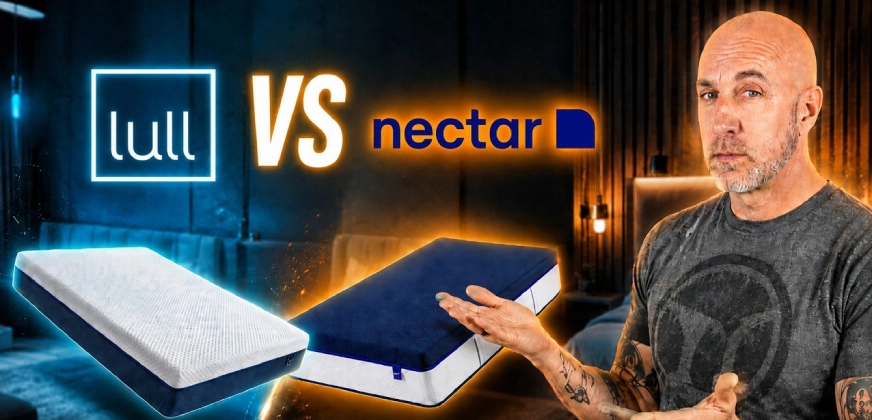
Forget the spec sheets for a second. This whole comparison collapses into one question.
Do you sleep on your side?
Answer that and Lull vs Nectar is basically decided, because the two mattresses fail and succeed at opposite things. Everything below is the evidence for why.
First, the Prices Nobody Explains Properly
Both brands run permanent discounts, so the crossed-out numbers deserve a moment of scepticism.
- Lull Original: $349 queen, listed down from $998
- Lull Premium: $699, listed down from $1,998
- Lull Luxe Hybrid: $1,199, from $3,426
- Nectar Classic: $699 queen, listed down from $1,615
- Nectar Premier: $999, from $2,316
- Nectar Luxe: $1,399, from $2,175
Now the useful part. Tom's Guide, tracking Nectar's pricing over time, found the brand “rarely deviates from its standard offers” even through Black Friday and Memorial Day. Lull's whole range sits at roughly two thirds off simultaneously, which is not what a genuine sale looks like.
Translation: stop waiting for a better deal. This is the price. Buy when you need a mattress, not when a banner tells you the clock is ticking.
Round 1: Firmness and Feel
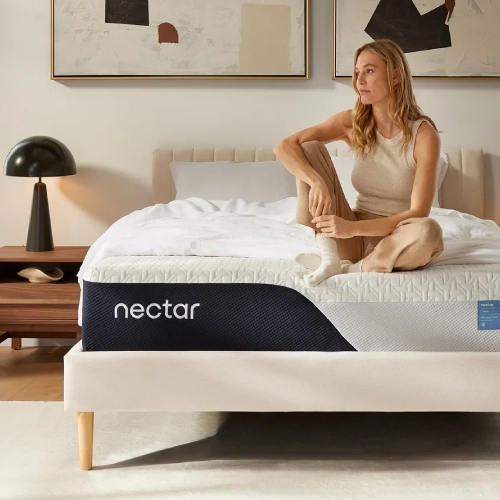
Mattress Clarity's testers put Lull at 7 to 8 out of 10 depending on which test you read, calling it firmer than the industry average. Nectar landed at 6.5, roughly true medium.
That gap sounds small written down. It isn't. Lull pushes back at you and springs into shape when you move. Nectar sinks, slowly, in the classic memory foam way where the bed takes a moment to catch up with your body.
Neither is better. They're different sensations, and people tend to feel strongly about which one they want. Round to Lull if you like support underneath you.
Round 2: Side Sleepers, Where It's Decided
This is the round that ends the fight for most readers.
Testing found Nectar excels at pressure relief for side sleepers, while Lull provides noticeably less give at the shoulder and hip. Lull's own strengths point elsewhere entirely: back sleepers and lightweight stomach sleepers.
Side sleeping concentrates your body weight onto two joints. A firmer surface doesn't let those joints sink, so the pressure has nowhere to go, and you wake up with a sore shoulder wondering why your expensive new mattress hates you.
If you sleep on your side, Nectar. It's not close.
Round 3: Couples
Nectar's thicker memory foam comfort layer absorbs movement better, which matters if someone climbs into bed at 1am or gets up at five.
Lull scored a respectable 4 out of 5 for motion isolation in standalone testing, so this isn't a disaster. But in a straight comparison the thicker foam wins.
Round 4: Edge Support
Lull takes this one back. Its firmer build collapses less when you sit on the edge to put your socks on, which also means more usable surface if two people are sharing a queen.
Worth noting neither is exceptional here. All-foam mattresses rarely are.
Round 5: Cooling
A genuine draw. Both use gel-infused memory foam under a breathable cover, Nectar's being Tencel, and testers reported neither sleeps unusually hot for foam.
If overheating is your main problem, honestly, neither of these is the answer. That's a hybrid or innerspring conversation.
Round 6: The Money
At the entry level Lull is half the price, $349 against $699 for a queen. That's not a small gap when you're furnishing a room.
But compare like for like and it evens out. Lull's Premium at $699 sits at exactly the same price as Nectar's Classic, and at that point you're choosing on feel rather than budget.
The Scorecard

| Round | Winner | Why |
| Firmness & support | Lull | Firmer, more responsive, better for backs |
| Side sleepers | Nectar | Deeper pressure relief at shoulder and hip |
| Couples | Nectar | Thicker foam absorbs more movement |
| Edge support | Lull | Less collapse when you sit on the side |
| Cooling | Draw | Both gel-infused, neither runs hot |
| Entry price | Lull | $349 queen against Nectar's $699 |
Three rounds to Nectar, three to Lull on a straight count, which tells you why Lull vs Nectar keeps getting argued about online. The rounds aren't equally weighted though, and the side-sleeping one carries more than the rest combined.
The Warranty Thing Worth Knowing
Both offer a 365-night trial. Lull promises a lifetime warranty, Nectar calls its version a Forever Warranty.
Here's the part that gets glossed over. Independent testing puts Lull's realistic lifespan at five to seven years, with durability scored 3.5 out of 5 on account of budget-conscious construction.
A lifetime warranty covers manufacturing defects. It does not cover a mattress gradually going soft, which is how foam beds actually die. So read that word carefully rather than treating it as a promise the bed will last forever, because on a $349 mattress it very probably won't.
Final Verdict
| Category | Score |
| Lull, for back and stomach sleepers | 8.5 / 10 |
| Lull, for side sleepers | 5 / 10 |
| Nectar, for side sleepers | 9 / 10 |
| Nectar, for back sleepers | 8 / 10 |
| Value at entry price | Lull wins |
| Best overall for most people | Nectar |
Nectar takes it for most people, purely because side sleeping is the most common position and Nectar is meaningfully better at it. Lull earns the win if you sleep on your back or stomach, want a firmer surface underneath you, or want a real mattress for $349 rather than $699. Use the 365 nights either way. That trial is the most valuable thing on offer from both of them.
FAQs
Which is firmer, Lull or Nectar?
Lull, clearly. Testers rate it 7 to 8 out of 10 against Nectar's 6.5, which is roughly medium.
Is Lull good for side sleepers?
Not especially. It offers limited pressure relief at the shoulder and hip. Nectar is the better pick for side sleeping.
Which is cheaper?
Lull, at entry level. Its Original queen runs $349 against $699 for Nectar's Classic, though Lull's Premium matches that $699.
Do both have a sleep trial?
Yes, 365 nights each, with free shipping and returns.
How long will either last?
Independent testing suggests around five to seven years for Lull. Lifetime warranties on both cover defects, not the gradual softening that ends most foam mattresses.
What about Lull vs Casper?
Casper tests at 6 out of 10, which puts it nearer Nectar's 6.5 than Lull's 7. Same story as above: it favours side sleepers, and it won't give you the firmer surface Lull does.
Do you agree with our review?
Comments (0)
All comments are reviewed and approved by an admin before appearing publicly.
No comments yet - be the first to share your thoughts.
Ask a Question
Got a question about this review or the brand? Ask below - our team answers what we can, and it'll appear here for other readers too.