
Disclosure: Coco n Deals may earn a commission if you buy through links on this page, at no extra cost to you. I only review products I’ve independently researched.
Here’s a distinction the cookware aisle deliberately blurs, and it took me a while to untangle it myself: almost everything sold as “ceramic cookware” is a metal pan wearing a thin ceramic-style coating — a coating that wears out in a few years. Xtrema is the other thing entirely: 100% solid ceramic, fired from clay, all the way through. No metal core, no coating to scratch, peel, or quietly shed into your dinner — because there is no coating. It’s the only solid-ceramic skillet rated for actual stovetop cooking, which makes it either the endgame of non-toxic cookware or a fragile curiosity, depending on who you ask. This Xtrema ceramic skillet review is my attempt to settle which — including the two limitations the brand’s marketing won’t lead with.
Why Trust This Review
Nobody pays me for verdicts at Coco n Deals — this is independent research. For this article I worked through Xtrema’s material and testing claims, materials-first buying guides that benchmark it against every alternative, and the owner feedback on both sides of this genuinely polarizing product. My full archive is in the reviews section.
What Is the Xtrema Ceramic Skillet?
Xtrema’s skillet is 100% ceramic cookware in the literal sense: the entire vessel — body, cooking surface, everything — is high-fired ceramic, and the brand backs the safety story by publishing third-party lead and cadmium test results rather than just claiming purity. That construction earns it a distinction independent materials guides keep repeating: it’s the only solid-ceramic skillet that can genuinely replace a stovetop pan, rated for the burner, the oven, the broiler, and the microwave alike. Investment runs in the $100–$250 band depending on size. What solid ceramic buys you: nothing to wear out, zero PFAS/PTFE/PFOA by definition, no metal leaching, and heat retention that keeps food hot long after the burner is off. What it costs you: ceramic is not magnetic — so no induction — and it’s a material that demands to be treated like what it is.
What Xtrema Gets Right
- Nothing to wear out — structurally: coated pans fail when the coating does; solid ceramic has no coating, so the “replace every 2–3 years” cycle simply doesn’t apply.
- Safety with paperwork: published third-party lead and cadmium testing — the documentation that separates a real non-toxic claim from a marketing sticker.
- Every heat source but one: stovetop, oven, broiler, microwave, even the grill — a versatility range no coated pan and few metals can match.
- Heat retention that changes serving: ceramic holds heat like cast iron — food arrives at the table hot and stays that way, and low-heat cooking becomes genuinely efficient.
- The endgame logic: for anyone whose priority is zero questions about what’s touching their food, this is as close to a final answer as cookware gets.
The Xtrema Lineup: What to Buy
1. Versa Skillet — the flagship
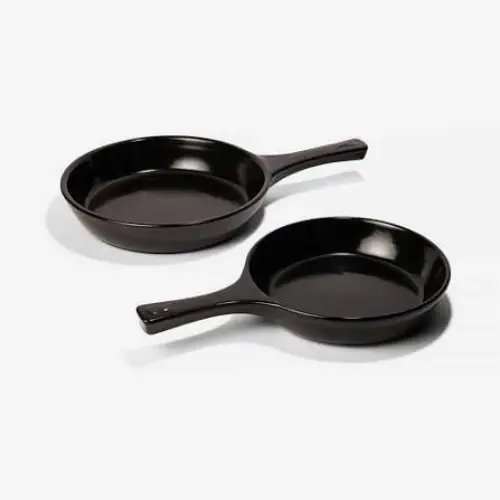
The stovetop-rated solid-ceramic skillet that built the brand — the piece to start with, and the one this Xtrema ceramic skillet review centers on. Expect the $100–$250 investment band by size.
Check current price → https://xtrema.com
2. Versa Pot — the everyday saucepot
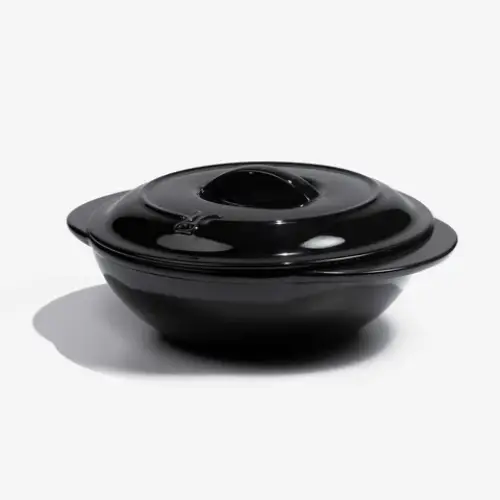
The same all-ceramic construction in pot form — sauces, grains, and reheating, with that microwave-safe versatility no metal pot offers.
Check current price → https://xtrema.com
3. Ceramic Saucepan Set — the buildup path
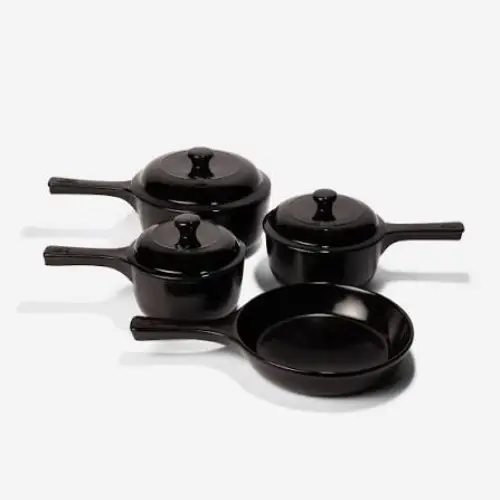
For converts: the saucepan sizes that turn one skillet into a full non-toxic range — sensible to add after you’ve lived with the material’s rhythm.
Check current price → https://xtrema.com
4. Ceramic Teapot — the quiet favorite
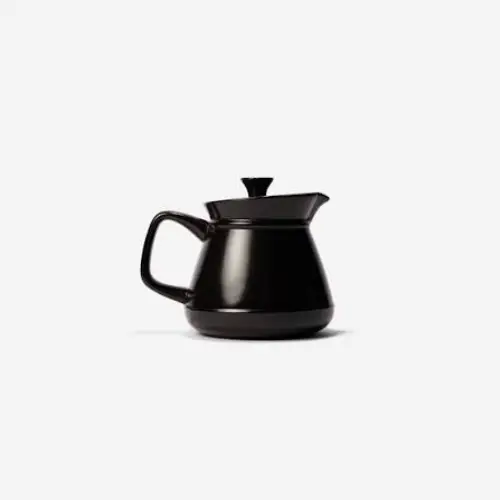
A cult item in Xtrema’s catalog — stovetop-to-table in one vessel, and a lower-cost way to test whether the pure-ceramic life suits you.
Check current price → https://xtrema.com
What Real Owners Report
Owners who love Xtrema love it in a very specific register: relief. These are people who read one PFAS study too many, replaced everything, and describe the skillet as the first pan they never think about — no coating anxiety, no replacement clock, food that stays hot through dinner. The materials-first reviewers back the fundamentals: solid ceramic sits alongside bare cast iron and stainless in the zero-synthetic-coating tier, with Xtrema singled out as the only member of that tier that behaves like a stovetop skillet. The heat-retention praise is constant, and slow-cooked dishes — curries, stews, sauces — are where owners say the pan quietly outperforms.
Now the two honest limitations. First, thermal behavior: ceramic heats slowly and hates shocks — you preheat gently on low-to-medium, you never take it from fridge to flame, and high-heat searing is simply not this pan’s job. Impatient cooks find that rhythm maddening; deliberate cooks stop noticing within a week. Second, fragility is real: drop it on tile and it can crack or chip — this is fired clay, and it asks for the same respect your favorite mug gets. Add the induction incompatibility (ceramic isn’t magnetic) and a natural surface that wants a little oil rather than behaving like Teflon, and the buyer profile sharpens: this is the pan for the health-first, low-and-slow cook — not the sear-and-toss weeknight sprinter. If you want ceramic convenience with conventional handling instead, the GreenPan Valencia Pro, reviewed next in this collection, is the coated-ceramic counterpoint — and my
Misen cookware review covers the metal route entirely.
The Social Media Story
Xtrema lives in the corner of the internet where ingredient labels get read aloud: the non-toxic-living creators, the PFAS-explainer accounts, the crunchy-kitchen side of Instagram and TikTok where “what’s your pan actually made of” is a whole genre. The brand’s published test results are its best content — shared and screenshotted as proof in a category drowning in vague claims — and its founder-led, health-first story reads credibly there. It will never go viral the way a pretty pastel pan does; it doesn’t need to. Its audience finds it by searching, which is exactly why a review like this one ranks.
My Verdict: Is the Xtrema Skillet Worth It?
Yes — for the right cook, and I want to be precise about who that is. This Xtrema ceramic skillet review lands here: if your priority is the most unambiguous non-toxic construction money can buy, with documentation instead of adjectives, and your cooking leans low-and-slow rather than screaming-hot sear, the Versa Skillet is a buy-once answer in a replace-often category. Skip it if you cook on induction, run an impatient stove, or have a household of pan-droppers. Safety: 5/5. Versatility of heat sources: 4.5/5. Speed and convenience: 3/5. Durability against drops: 2.5/5.
FAQs
Is Xtrema really 100% ceramic cookware?
Yes — the entire vessel is high-fired ceramic with no metal core and no applied coating, and the brand publishes third-party lead and cadmium test results to back the purity claim.
Can you use an Xtrema skillet on the stovetop?
Yes — it’s the one solid-ceramic skillet rated for stovetop use, plus oven, broiler, and microwave. The rules: preheat gently on low-to-medium and never thermal-shock it (no fridge-to-flame, no hot-pan-into-cold-water).
Does Xtrema work on induction?
No — ceramic isn’t magnetic, so induction cooktops can’t heat it. Gas, electric, and glass-top stoves are all fine.
Is Xtrema non-stick?
It’s naturally slick when used with a little oil at moderate heat, but it isn’t coated non-stick and won’t behave like Teflon. Owners treat it closer to well-seasoned cast iron in technique.
